
Beginner Tips for Taking Better Phone Photos
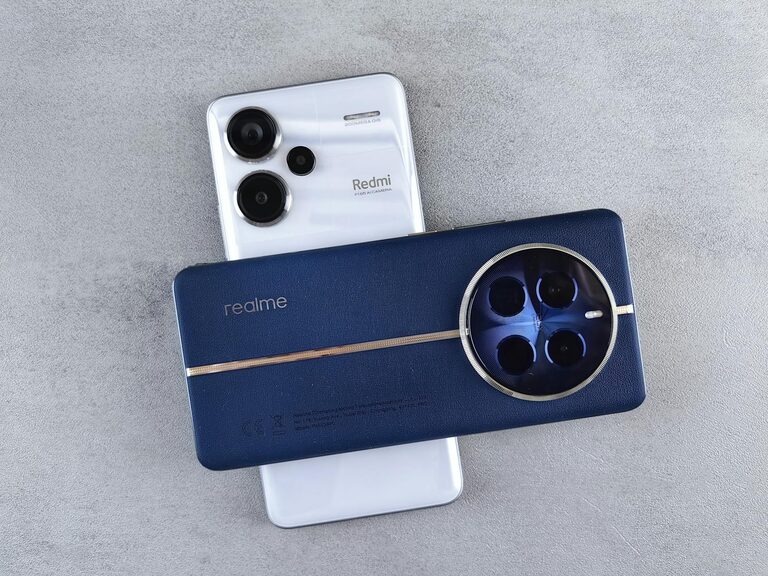
Taking great photos with your phone is easier than you might think. With powerful cameras built into smartphones today, anyone can capture beautiful images. Whether you want to document your everyday life, create art, or share moments with friends, improving your phone photography can make a big difference. Here are some beginner-friendly tips to help you take better phone photos.
Understand Your Phone’s Camera Features
Before you start snapping photos, take some time to explore your phone’s camera settings and features. Most modern phones have a variety of modes such as portrait, panorama, night, and pro mode. Here’s what to look for:
– Resolution and aspect ratio: Use the highest resolution possible for sharper photos.
– Grid lines: Enable the grid to help with composition using the “rule of thirds” (more on this soon).
– HDR mode: High Dynamic Range can improve photos taken in high-contrast lighting.
– Exposure control: Adjust brightness before taking a photo by tapping and sliding on the screen.
– Focus: Tap the screen where you want your photo to focus for clearer images.
Understanding these basics prepares you to shoot intentionally rather than just point and click.
Composition: Frame Your Shot Like a Pro
Good composition makes your photos more interesting and balanced. Here are some tips to keep in mind:
Use the Rule of Thirds
Enable the grid option in your camera settings. The screen divides into nine equal parts by two vertical and two horizontal lines. Position your key subjects along these lines or at their intersections to make your photos more pleasing to the eye.
Keep it Simple
Avoid cluttered backgrounds that distract from your main subject. Look for clean, simple backgrounds or adjust your angle to minimize distractions.
Pay Attention to Lines and Shapes
Leading lines — such as roads, fences, or shadows — guide the viewer’s eye toward the subject. Look for natural lines or shapes that add interest and depth.
Change Your Perspective
Instead of shooting everything from eye level, try getting low, high, or moving around your subject. Different angles reveal unique viewpoints and add creativity.
Lighting Matters Most
Lighting can make or break a photo. Here’s how to work with it:
Use Natural Light Whenever Possible
Natural light typically produces the best phone photos. Shoot outdoors or near windows for soft, flattering light. Overcast days are great because clouds diffuse sunlight, reducing harsh shadows.
Avoid Using the Phone Flash
The built-in flash often creates harsh, artificial light and unflattering shadows. If you must use flash, try bouncing it off a ceiling or wall or consider adding an external light source.
Golden Hour is Your Friend
The hour after sunrise and before sunset, known as the “golden hour,” offers warm, soft light that enhances colors and textures. Plan your photo sessions around this time for beautiful results.
Adjust Exposure Manually
If your photo looks too dark or bright, tap the screen and adjust the exposure slider to brighten or darken before taking the shot.
Keep Your Phone Steady
Shaky hands can cause blurry photos, especially in low light. Try these tips to keep your phone steady:
– Hold the phone with both hands.
– Tuck your elbows close to your body.
– Lean against a solid surface for support.
– Use a small tripod or phone stand if you have one.
– Use the timer or voice commands to avoid shaking when pressing the shutter button.
Edit Your Photos with Care
Editing is an important step to enhance your photos. Most phones have built-in editing tools, or you can use free apps like Snapseed, VSCO, or Lightroom Mobile.
Simple Editing Tips
– Crop to improve composition.
– Adjust brightness, contrast, and saturation to make colors pop.
– Sharpen slightly to add clarity.
– Avoid over-editing that makes photos look unnatural.
Practice Makes Perfect
Like any skill, practice is key. Challenge yourself to take photos daily or experiment with different subjects and lighting conditions. Over time, you’ll develop an eye for great shots and improve your technique.
Final Thoughts
Taking better phone photos doesn’t require expensive gear or complex techniques. By understanding your camera, paying attention to composition and lighting, keeping your phone steady, and editing thoughtfully, you can create stunning images that capture your world beautifully. Have fun exploring and experimenting — the best photos are often those that tell your unique story.
Happy shooting!