Beginner Tips for Composting at Home: Easy Steps to Get Started
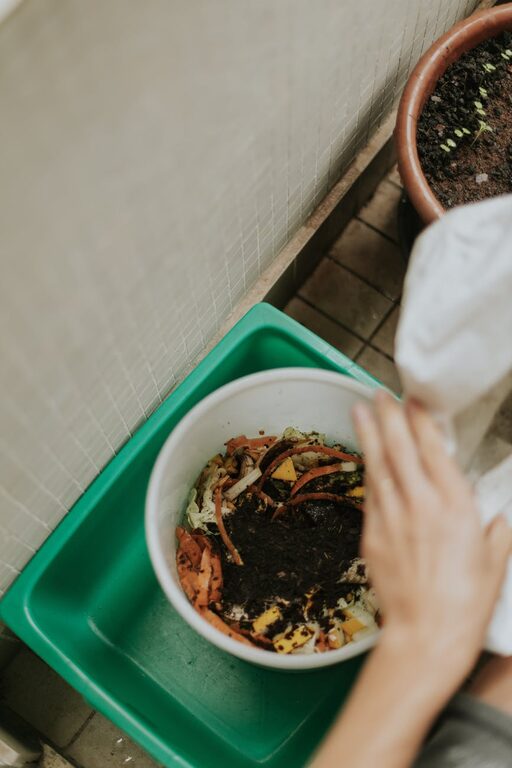
Composting at home is a fantastic way to reduce waste, enrich your soil, and contribute positively to the environment. If you’ve never tried composting before, it may seem a bit intimidating, but it’s actually quite simple once you know the basics. This guide will walk you through beginner tips for composting at home, helping you get started with confidence.
What Is Composting and Why Start?
Composting is the natural process of breaking down organic materials—like food scraps and yard waste—into a rich, dark soil amendment called compost. Rather than sending these materials to a landfill, where they can produce methane gas, composting recycles them into valuable nutrients that improve soil health.
Home composting can:
– Reduce the amount of trash you produce
– Improve your garden soil structure and fertility
– Help plants grow stronger and healthier
– Lower your environmental footprint
Choosing the Right Composting Method
There are a few ways to compost at home, and you can choose one depending on your space, time, and preferences.
Backyard Compost Bin
A compost bin is a popular choice for those with a yard. It’s a contained space where you add organic materials and let nature do the rest.
Advantages:
– Keeps the compost pile tidy
– Controls pests when properly managed
– Accelerates decomposition by retaining heat
Compost Pile
If you have space, you can simply create a compost pile in a corner of your yard.
Advantages:
– No need to buy a bin
– Easy to add large amounts of garden waste
– Requires less setup
Tumbler Compost Bin
A tumbler bin allows you to rotate the materials inside easily, speeding up decomposition.
Advantages:
– Faster composting process
– Keeps pests and odors under control
– Compact and neat
Indoor Composting (Worm Bin or Bokashi)
For those with limited outdoor space, indoor composting options like worm bins or bokashi fermentation are great.
Advantages:
– Suitable for apartments or small spaces
– Can compost kitchen scraps year-round
– Minimizes smell when maintained properly
What to Compost: The Right Materials
Your compost pile needs a balance of two types of materials:
Greens (Nitrogen-Rich)
These materials provide nitrogen, which helps microbes break down the compost quickly.
Examples include:
– Fruit and vegetable scraps
– Coffee grounds and filters
– Fresh grass clippings
– Tea bags (without synthetic materials)
Browns (Carbon-Rich)
These materials provide carbon, which helps create structure and airflow in the pile.
Examples include:
– Dry leaves
– Straw or hay
– Shredded paper and cardboard
– Small branches or twigs
Keep Out These Items
Avoid composting these materials as they can cause problems:
– Meat, dairy, and oily foods (attract pests)
– Diseased plants or invasive weeds
– Pet waste
– Synthetic materials like plastics
Setting Up Your Compost Bin or Pile
Follow these steps to set up your compost at home:
- **Choose a spot:** Find a shaded, well-drained location with some airflow.
- **Prepare the base:** Lay down coarse materials like straw or small branches to aid drainage.
- **Layer materials:** Alternate layers of greens and browns. Aim for roughly two parts browns to one part greens.
- **Maintain moisture:** Compost should be as damp as a wrung-out sponge. Water if it’s too dry, add browns if too wet.
- **Turn regularly:** Use a pitchfork or compost aerator to turn the pile every 1-2 weeks to add oxygen.
Troubleshooting Common Compost Problems
– Smelly compost: Usually caused by too many greens or lack of air. Add more browns and turn the pile.
– Pile not heating up: Could mean it’s too small, too dry, or missing nitrogen-rich greens.
– Slow decomposition: Chop or shred materials, keep moisture consistent, and turn regularly.
– Pests: Avoid meat/dairy; secure the bin; cover food scraps with browns.
Harvesting and Using Your Compost
In 2-6 months, your compost will transform into dark, crumbly soil with an earthy smell. Here’s how to use it:
– Mix into garden beds to enrich soil
– Use as mulch around plants to retain moisture
– Add to potting mix for healthier container plants
– Topdress your lawn to improve soil quality
Composting Tips to Keep You Going
– Keep a small container in your kitchen for scraps to make gathering easier.
– Be patient! Composting takes time and practice.
– Experiment with different materials and techniques.
– Share compost with neighbors or community gardens.
– Use a compost thermometer to monitor temperature if you want to get technical.
Final Thoughts
Starting a compost bin at home is a rewarding way to live more sustainably and care for your garden. With a little attention and patience, you’ll soon turn everyday scraps into black gold that nourishes your plants and reduces waste.
Ready to get your composting journey going? Grab a bin, gather your scraps, and enjoy the process of creating your own natural fertilizer!
Happy composting!