Essential Tips for Keeping Your Houseplants Healthy and Thriving
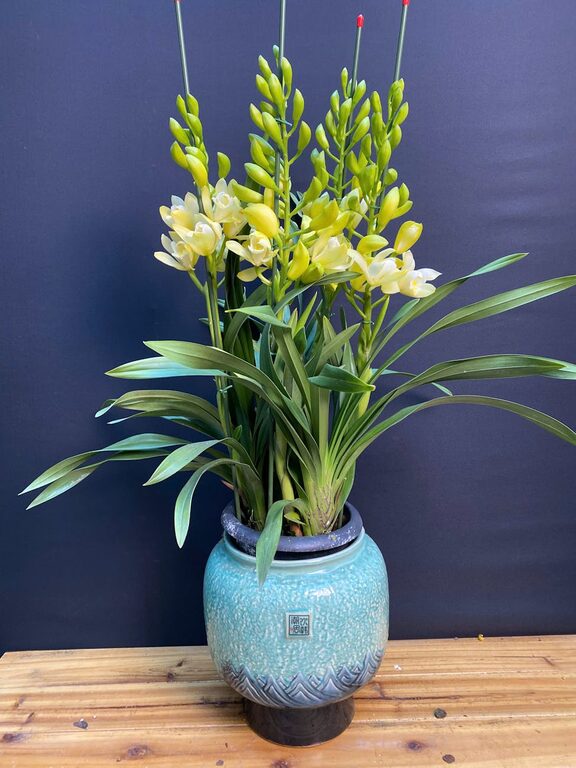
Bringing houseplants into your living space can brighten your home and improve air quality, but keeping them healthy requires some attention and care. Whether you’re new to gardening or have a green thumb, following a few key tips ensures your indoor plants thrive. In this post, we’ll explore important guidelines for watering, light exposure, soil, and more to keep your plants looking their best.
Understanding Your Plant’s Needs
Every type of houseplant has unique requirements, so the first step to healthy plants is understanding what your specific plants need. Read the care label, research their preferred environment, and pay attention to signs they’re giving you.
Know Your Plant Type
– Succulents and cacti usually like lots of sunlight and minimal watering.
– Tropical plants might prefer indirect light and higher humidity.
– Foliage plants often need moderate watering and filtered light.
Create a care routine based on these preferences for the best results.
Proper Watering Techniques
Watering is one of the most common struggles for plant owners. Both overwatering and underwatering can harm your plants, so it’s important to find the right balance.
Tips for Watering Success
– Check the soil moisture before watering by inserting your finger about an inch into the soil. If it feels dry, it’s time to water.
– Use room temperature water to avoid shocking the roots.
– Water thoroughly until excess drains from the pot’s drainage holes.
– Empty saucers under pots to prevent root rot.
– Adjust watering frequency according to the season—plants usually need less water in winter.
Choosing the Right Soil and Pot
Good quality soil and an appropriate pot can make a big difference in your plant’s health.
Soil Essentials
– Use potting mixes designed for indoor plants; avoid heavy garden soil.
– Consider soil mixes specific to your plant type (e.g., cactus mix for succulents).
– Refresh soil every year or two to provide new nutrients.
Pot Selection
– Choose pots with drainage holes to prevent waterlogging.
– Use pots that are slightly larger than the root ball—not too big or too small.
– Consider materials: terracotta pots allow soil to breathe, while plastic pots retain moisture longer.
Light: How Much and What Kind
Light is critical for photosynthesis and growth. Different plants have varying light requirements.
Understanding Light Needs
– Direct sunlight: Ideal for sun-loving plants like succulents and herbs.
– Bright indirect light: Best for many tropical plants like fiddle leaf figs or peace lilies.
– Low light: Suitable for plants like snake plants and pothos.
Tips for Managing Light
– Rotate plants every few weeks for even growth.
– Use sheer curtains to filter intense sun.
– Consider supplemental lighting with LED grow lamps in darker spaces.
Maintaining Humidity and Temperature
Indoor environments can sometimes be dry, especially in heated or air-conditioned rooms. Many plants thrive in moderate humidity.
How to Boost Humidity
– Group plants together to create a microclimate.
– Use a tray with water and pebbles beneath pots.
– Mist plants occasionally with water, but avoid overdoing it to prevent fungal problems.
Ideal Temperature Range
– Most indoor plants like temperatures between 65–75°F (18–24°C).
– Avoid placing plants near drafts, radiators, or air vents.
Regular Feeding and Pruning
Plants benefit from extra nutrition and trimming to promote healthy growth.
Fertilizing Your Plants
– Use balanced liquid or slow-release fertilizers made for indoor plants.
– Feed during the growing season (spring and summer) about once a month.
– Reduce or stop fertilization in fall and winter.
Pruning Tips
– Remove dead or yellowing leaves promptly.
– Pinch back leggy growth to encourage bushier plants.
– Use clean, sharp scissors to prevent infection.
Pest Prevention and Control
Indoor plants can attract pests such as spider mites, aphids, or mealybugs.
How to Prevent Pests
– Inspect new plants before bringing them indoors.
– Keep plants clean by wiping leaves with a damp cloth.
– Avoid overwatering, as damp conditions encourage pests.
Natural Pest Control Methods
– Use insecticidal soap or neem oil sprays.
– Introduce beneficial insects like ladybugs if you have a larger indoor garden.
– Quarantine infested plants to protect others.
Troubleshooting Common Problems
Yellowing Leaves
Often a sign of overwatering, underwatering, or nutrient deficiency.
Wilting or Drooping
May indicate lack of water, root problems, or heat stress.
Brown Leaf Tips
Could be caused by low humidity, salt build-up from fertilizers, or inconsistent watering.
Observe your plants regularly and adjust care as needed.
Conclusion
Keeping your houseplants healthy is rewarding and relatively simple with consistent care tailored to your plants’ needs. By understanding light, water, and soil requirements, maintaining good hygiene, and monitoring for pests, your green companions will flourish and add beauty to your home for years to come. Happy planting!